

Walking Aids
Walking aids enhance one’s ability to move independently without relying on a wheelchair or motorized scooter. At Red Oak Medical Supply, our selection of products boosts mobility and prevents falls for seniors, the elderly, and those with disabilities. Whether you need a simple cane or a high-end rollator, you’ll find it here.
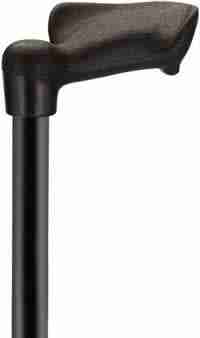
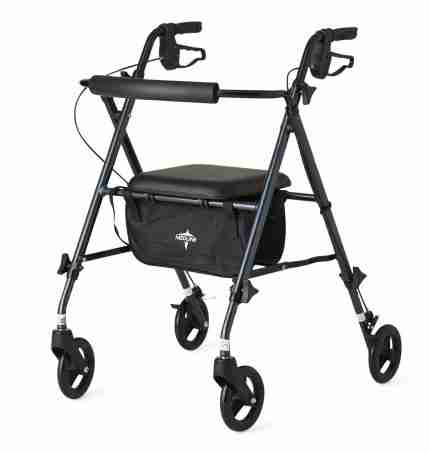
Rollators and walkers are ideal for people who can walk but need extra help with balance and support. Designed to enable users to move independently, they are perfect for both indoor use and outdoor activities. Red Oak Medical Supply offers a wide range of standard walkers and advanced rollators, all at the most competitive prices in the industry.
Choosing the Right Walking Aid
Whether you're getting your first walking aid or looking to upgrade or replace an existing rollator walker, Red Oak Medical Supply is here to assist. Our selection ranges from budget-friendly canes to advanced rolling walkers with handbrakes and baskets. If you have any questions or want to find the walking aid that best suits your requirements, please call us at (281) 586 - 9509, and our knowledgeable staff will assist you.
Types of Walking Aids
Walking aids come in three primary types: Standing Walkers, Knee Walkers, and Rollator Walkers, each designed to meet different mobility needs.
- Standing Walkers: These basic models are highly stable and ideal for those who require substantial support. Standard folding walkers, which do not have wheels, are lightweight and require the user to lift and move them forward step by step. For those needing less support, two-wheel walkers offer easier mobility and stability. Both options are adjustable to fit various heights and are available in both folding and non-folding versions.
- Rollator Walkers: Known for providing the most mobility, Rollator Walkers feature front swivel wheels for easy turning and have handbrakes for immediate stopping. Most models also include a padded seat and backrest for resting periods and a basket or pouch for carrying personal items.
- Knee Walkers: Also called as knee scooters or orthopedic scooters, Knee Walkers are an excellent alternative to crutches for people recovering from foot or lower leg injuries or surgeries that require non-weight bearing recovery. They offer weight-bearing relief for conditions such as fractures, diabetic wounds, Achilles tendon injuries, sprained ankles, or post-operative foot and ankle care. They are also useful for patients with partial or complete foot amputations during the healing and prosthesis fitting process.
Frequently Asked Questions
How do I choose the right walking aid?
Choosing the right walking aid involves considering your height, weight, strength, limitations, and healthcare needs. It is crucial to select a walking aid that matches your level of mobility and balance requirements.
How should I properly fit my walking aid?
Proper fitting is essential for safety and comfort when using walking aids. Adjust the handles to the wrist level for forearm crutches, walking frames, and canes. Adjust the armpit support before setting the handle height for armpit crutches.
What are the risks of falling with walking aids, and how can I minimize them?
Using walking aids can alter your gait and balance, increasing the risk of falls. To minimize this risk:
- Ensure your equipment is well-fitted.
- Maintain a safe environment by avoiding slippery or uneven surfaces, ensuring good lighting, and removing tripping hazards such as rugs and cords.
- Always use walking aids on firm ground and wear appropriate footwear.
How do I maintain and clean my walking aid?
Maintain your walking aids by regularly checking and replacing worn rubber tips. Clean the device with mild detergent or soap, rinse it with water, and then dry it using a clean cloth. Handgrips should be cleaned daily. If you notice any damage to your walking aid, such as a tube, handle, or locking system issues, replace the device immediately.
How can I improve my body condition while using walking aids?
To enhance your body condition while using walking aids, follow medical advice to effectively manage your activity level and pain. Elevate your injured leg during rest times to prevent swelling; in a sitting position, raise your foot above hip level, and in a lying position, raise it 5 to 10 cm off the bed using bricks or books (avoid placing a pillow under your calves as it can hinder circulation). Additionally, exercise the toes of both feet by curling and stretching them 20 times every hour, and work on strengthening your upper body and arms to support mobility.