

When you get a cut or sore, it’s essential to know how to treat it at home to avoid problems and help it heal faster. Although minor wounds often heal on their own, proper care can speed up and improve healing.
In this guide, we’ll walk you through the steps for caring for cuts and sores at home and highlight some of the best wound healing products from Red Oak Medical to ensure you have the right tools.
Step 1: Wash Your Hands
Before touching any wound, wash your hands thoroughly with soap and water. This is the first step to prevent infection. The cleaner your hands, the less likely you will introduce bacteria to the wound.
Step 2: Stop the Bleeding
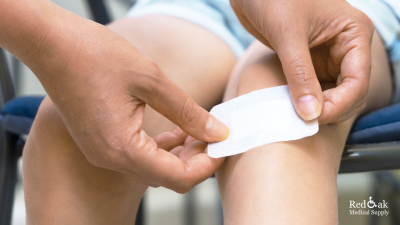
If you have a minor cut, gently press a clean cloth, gauze, or bandage to stop the bleeding. Usually, minor cuts stop bleeding within a few minutes. Don’t keep checking the wound; this can disrupt the clotting process.
If the bleeding is heavy and doesn’t stop with pressure, it’s time to seek medical help. Red Oak Medical’s wound care supplies, including gauze pads and bandages, are perfect for safely applying pressure to minor cuts.
Step 3: Clean the Wound
After the bleeding stops, clean the wound with clean water. Tap water is often sufficient for rinsing a wound, but if you’re dealing with a deep wound, it’s essential to clean it thoroughly.
Don’t use harsh chemicals like hydrogen peroxide or alcohol. They can hurt healthy tissue and slow healing. After cleaning, make sure to dry the wound.
Step 4: Clean Around the Wound
Next, gently wash the skin around the wound with soap and water. Be careful not to get soap directly into the wound, which can be irritating. Next, gently dry the area with a clean towel.
If debris stays in the wound, you can remove it with sterilized tweezers. Always be cautious and ensure the tweezers are clean to avoid introducing bacteria.
Step 5: Apply Antibiotic Ointment

Once the wound is clean and dry, spread a thin layer of antibiotic ointment like Neosporin. It helps prevent infection and keeps the wound moist, which speeds up healing.
Suppose you’re unsure which ointment to use. In that case, antibiotic creams and ointment tubes, which can help prevent infection and promote faster recovery.
6. Cover the Wound
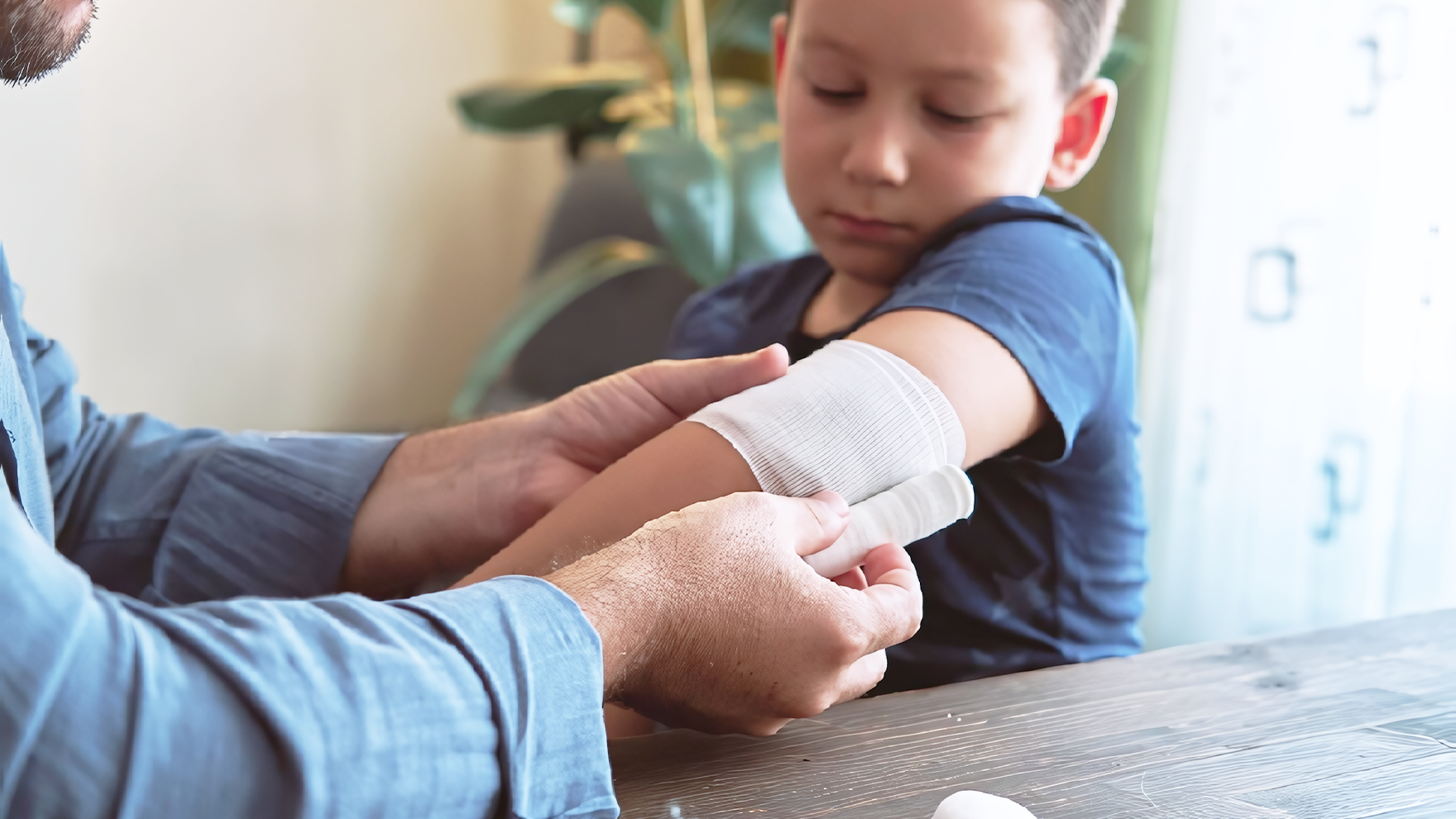
Once the ointment is applied, cover the wound with a clean bandage. The bandage will protect the wound from dirt and bacteria, allowing it to heal in a clean environment. It also helps keep the area moist, which can speed up the healing process.
7. Change the Dressing
It is essential to change the dressing at least once daily or more often if it gets wet or dirty. Keeping the wound covered and dry helps prevent infection. If you notice any drainage, increase the frequency of bandage changes.
Bandage wraps ensure the wound remains clean and protected throughout the healing process, providing an extra layer of protection.
8. Monitor for Signs of Infection
Look for signs of infection, like more redness, swelling, pus, or changes in the wound’s appearance. If you notice any of these signs, it’s important to consult with a healthcare provider.
If the wound isn’t healing properly or you notice any of the infection symptoms mentioned above, antiseptic ointments and disinfectant sprays are perfect for keeping the wound clean.
When to Seek Medical Attention
You can usually treat minor cuts and sores at home, but sometimes you need to see a doctor if:
- Heavy or Persistent Bleeding: If pressure doesn’t stop the bleeding, seek medical attention immediately.
- Deep or Large Cuts: Stitches may be required if the cut is deep and exposes fat or muscle.
- Signs of Infection: If you notice pus, more pain, or redness, go see a doctor.
- Animal or Human Bites: These types of wounds often require medical attention to prevent infection.
Final Thoughts
Proper home care for cuts and sores can help speed up healing and prevent infections. Always keep the wound clean, covered, and monitored. If at any point you notice signs of complications or the wound isn’t healing as expected, don’t hesitate to seek medical help.
Having the right wound-healing products at home is crucial for managing minor injuries effectively. Red Oak Medical Supply offers the best wound-healing products to ensure your wounds heal properly, reducing the risk of infection and complications.
Heal Faster with the Best Wound Care Products at Red Oak Medical!
If you want high-quality wound healing products to help care for cuts and sores, visit Red Oak Medical Supply. Explore our full selection of bandages, antibiotic ointments, and first-aid kits to ensure you have everything you need to promote quick and safe healing!
FAQs
How can I speed up the healing of a wound?
Keep the wound clean, covered, and moist. Apply antibiotic ointment and change the dressing regularly.
When should I change the dressing on my wound?
Change the dressing once a day or sooner if it becomes wet or dirty.
What are the signs of an infected wound?
You may notice redness, swelling, pus, pain, or a wound that doesn’t heal after a few days.