


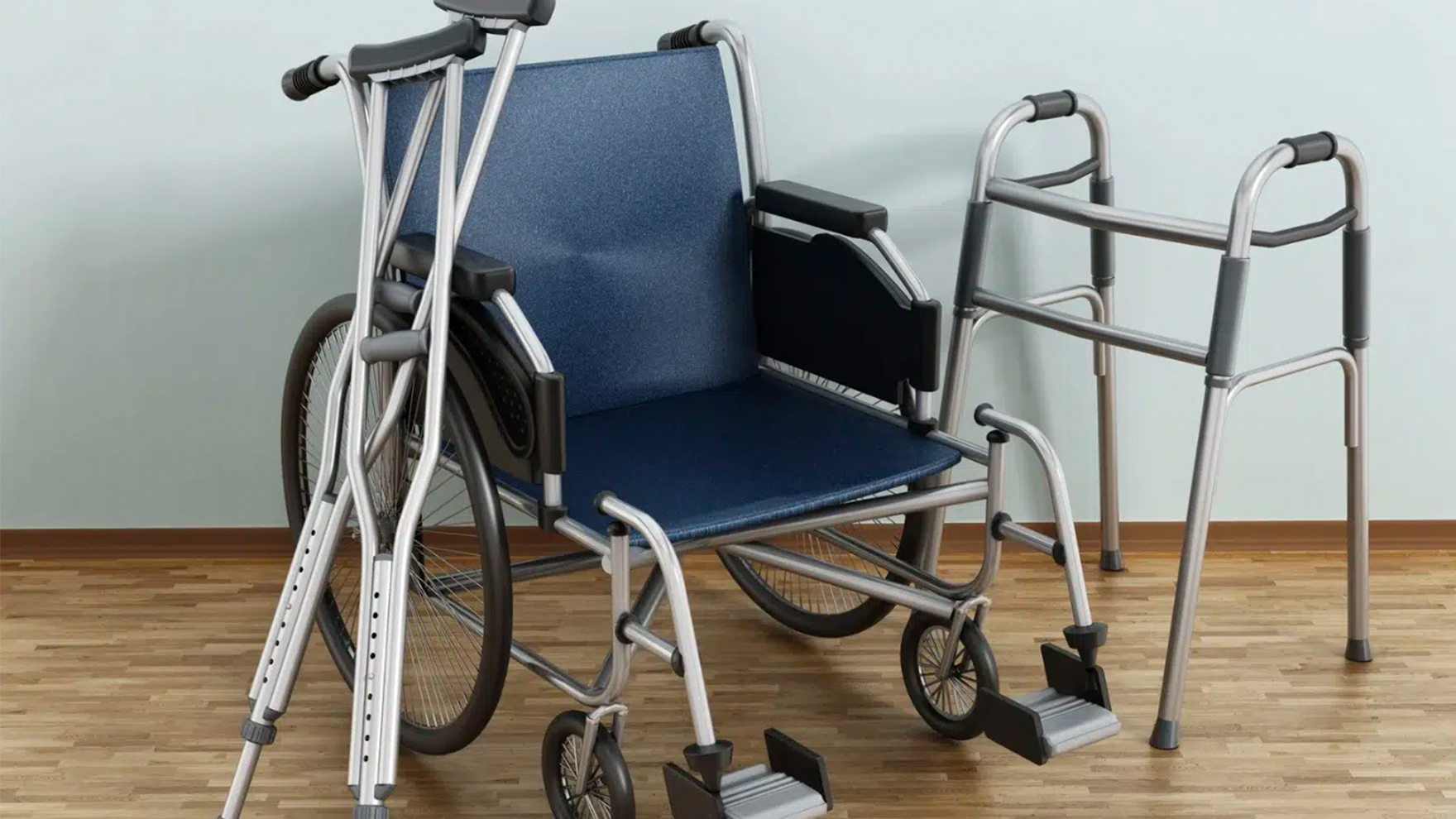
Choosing the right mobility aid can help you move around safely and keep your independence. There are many options available, like canes, walkers, and wheelchairs, each designed for different needs. The best mobility aid for you will depend on your physical condition, daily activities, and how much support you need. It’s important to think about where you plan to use the aid and what will make you feel the most comfortable.
To find the best mobility aids, start by considering your personal needs and lifestyle. If you need extra support while walking, a walker or cane might be ideal. If you have difficulty standing for long periods, a wheelchair or scooter could offer more comfort and freedom.
Assess Your Physical Needs
Evaluate Your Mobility Challenges
The first step is understanding your specific needs. Are you dealing with balance issues, recovering from surgery, or managing chronic pain? For minor balance problems, a cane or crutches might work. If you need more support, a walker or rollator could be better. For those seeking a more lightweight option, lightweight mobility aids, such as a folding cane or compact walker, may offer the ideal solution. Talk to your doctor or physical therapist for a professional assessment. Talk to your doctor or physical therapist for a professional assessment.
Consider Your Strength and Abilities
Your physical strength and stamina play a major role in choosing a mobility aid:
- If you have strong arms and can support your weight, crutches or a walker might work.
- For weaker upper body strength, a rollator, scooter, or electric wheelchair could be a better fit.
- Lift chairs are ideal for those who have difficulty standing up from a seated position.
Understand Mobility Aid Options
Canes
Canes are great for light support and minor balance issues. They’re portable and easy to use.
- Standard canes are simple and effective for basic needs.
- Quad canes offer a broader base for better stability.
- Folding canes are compact and ideal for travel.
Crutches
Crutches are perfect for short-term injuries, like sprains or fractures. They require good upper body strength and balance.
Walkers
Walkers provide more support than canes. They have four legs and are ideal for people who need stability while walking. Standard walkers require lifting to move forward, which offers more control but demands effort.

Rollators
Rollators are walkers with wheels, making them easier to maneuver. They often come with a built-in seat, so you can rest during long walks. These are perfect for outdoor use or extended mobility needs.
Wheelchairs
Wheelchairs are essential for those with significant mobility challenges.
- Manual wheelchairs work for people who have the arm strength to push themselves or caregivers who can assist.
- Electric wheelchairs are motorized and better suited for individuals with limited upper body strength.
Scooters
Mobility scooters are a great choice for people who want to travel longer distances or need outdoor mobility. They’re easy to operate and ideal for uneven terrain.
Lift Chairs
Lift chairs are motorized recliners that help you stand up safely. They’re an excellent choice for individuals with joint pain, limited strength, or balance concerns.
Lifestyle Considerations
Think About Your Daily Activities
- Indoor Use: Compact aids like canes, crutches, or walkers work best indoors.
- Outdoor Use: Scooters, rollators, and wheelchairs are better for navigating uneven surfaces and long distances.
- Combination Use: Rollators and electric wheelchairs are versatile options for both environments.
Transportation and Storage
Consider how you’ll move and store your mobility aid:
- Canes, crutches, and folding walkers are lightweight and easy to carry.
- Scooters and wheelchairs require more storage space and may need vehicle lifts for transport.
Budget and Insurance
Know the Costs
Mobility aids come in a wide range of prices, from affordable mobility aids like basic canes to higher-end options such as electric wheelchairs and lift chairs. It’s important to consider whether your need is temporary or long-term, as this can help you determine the most cost-effective investment for your situation.
Insurance and Financial Help
Many insurance providers cover mobility aids if prescribed by a doctor. Programs like Medicare or Medicaid may also help with costs for eligible individuals.
Safety and Maintenance
Learn to Use Your Mobility Aid
Using a mobility aid incorrectly can lead to accidents. Work with a healthcare professional to learn the proper techniques. For example:
- Adjusting cane or crutch height to match your posture.
- Practicing safe braking and movement with rollators or scooters.
Keep Your Equipment in Good Condition
Regular maintenance is essential for safety. Check for loose screws, worn-out wheels, or damaged grips. Replace parts as needed to keep your mobility aid reliable.

Ready To Find The Perfect Mobility Aid?
Choosing the best mobility aid doesn’t have to be difficult. Start by assessing your physical needs and lifestyle, then explore options like wheelchairs, walkers, canes, rollators, lift chairs, scooters, and crutches. Explore trusted brands like Red Oak Medical Supply to choose the right mobility aids. Your mobility and independence matter!
FAQs
Which mobility aid is best for long distances?
Scooters and electric wheelchairs are great for covering long distances, especially outdoors.
What should I use if I have trouble standing from a chair?
A lift chair is ideal for helping you stand safely and with less effort.
Are rollators better than walkers?
Rollators are easier to move and often come with a seat, but walkers provide more stability. Choose based on your balance and mobility needs.