



The world of healthcare is constantly evolving, and so are the medical supplies we rely on. New technologies and innovations are changing how we diagnose, treat, and manage health conditions. From smart devices to advanced materials, these developments are making healthcare more efficient and accessible. As we look to the future, it’s exciting to think about the ways these advancements will improve patient care and outcomes.
In the coming years, we can expect many changes in future medical supplies. Innovations like wearable health monitors, AI-powered tools, and eco-friendly materials will transform how healthcare providers and patients interact with medical products. Keeping an eye on these trends will help ensure you stay informed about the best and most advanced options available for your healthcare needs.
Here are the trends to watch in medical supplies over the coming years.
Artificial Intelligence in Medical Field
Artificial intelligence (AI) in healthcare is transforming medical devices. AI-powered tools can analyze large amounts of data quickly and accurately, which improves diagnosis and treatment plans. For example, AI algorithms in imaging devices can identify early signs of diseases like cancer or heart conditions. This helps doctors make faster, more precise decisions.
AI is also streamlining patient care. Wearable devices with AI capabilities monitor vital signs in real time, alerting healthcare providers when something is off. These advancements make medical care proactive instead of reactive, reducing complications and improving patient outcomes.
Smaller, Smarter Medical Devices
The trend toward miniaturization has led to advanced medical supplies making medical devices smaller, lighter, and easier to use. Portable devices like handheld ultrasound machines and compact glucose monitors allow patients to manage their health from home. This reduces hospital visits and gives people more control over their care.
For example, a small wearable ECG monitor can track a patient’s heart rhythm continuously, sending data directly to their doctor. These innovations make healthcare more accessible, especially for people in remote areas.
The Rise of Wearable Health Technologies
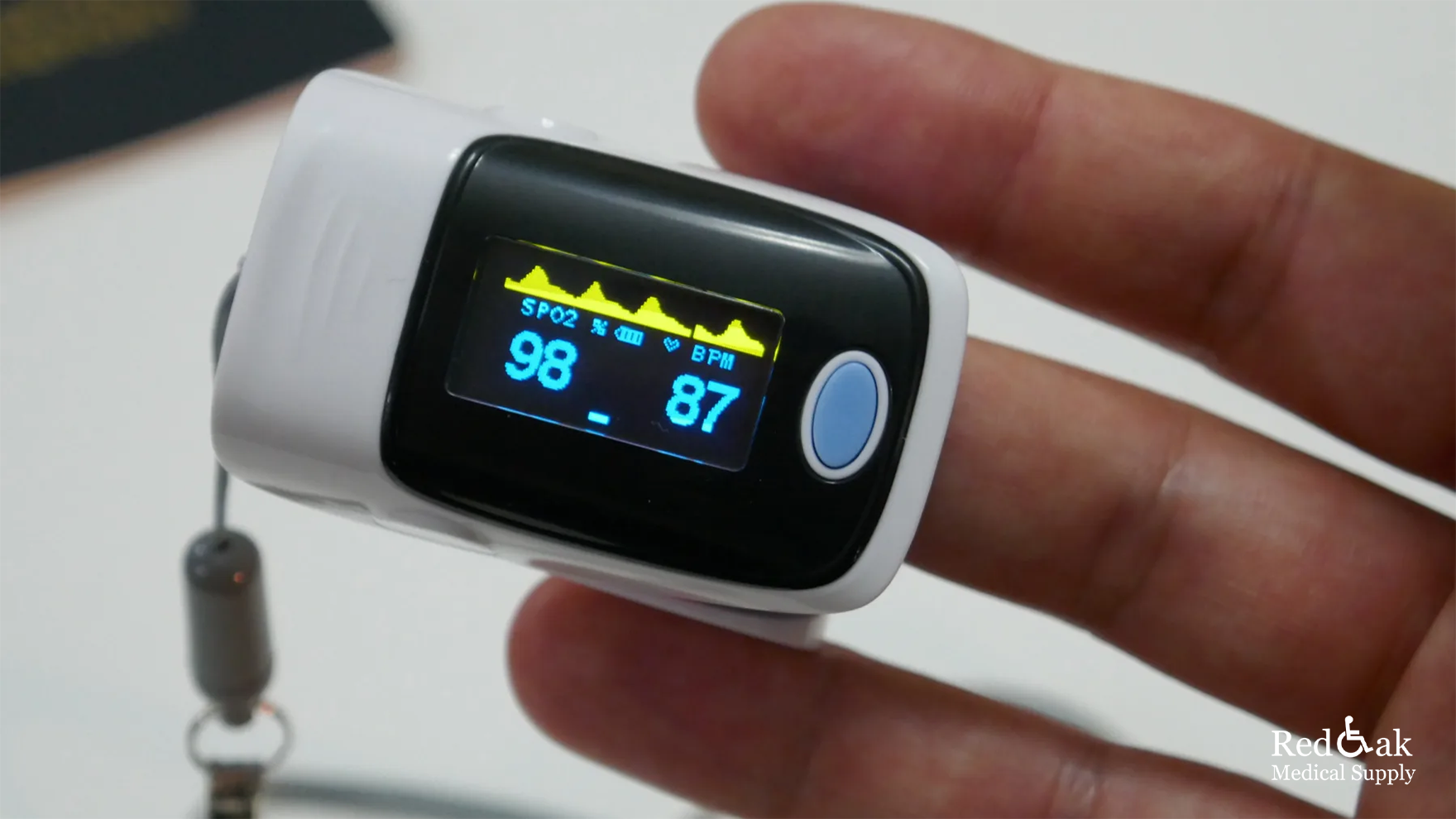
Wearable technology is more than just fitness trackers. Devices like smartwatches now monitor heart rate, blood oxygen levels, and even sleep patterns. For people with chronic conditions, these wearables can provide life-saving insights.
For example, a small wearable digital wrist blood pressure monitor can measure a patient’s blood pressure levels accurately and display results instantly. These devices make it easier for people to monitor their health regularly and conveniently.
Internet of Medical Things (IoMT)
The Internet of Medical Things (IoMT) is revolutionizing how medical devices communicate with each other. IoMT connects devices like glucose monitors, pacemakers, and wearable trackers to a central system. This integration allows for seamless data sharing between patients and healthcare providers.
Remote monitoring is one of the biggest benefits. Patients can stay home while doctors track their health in real time. For example, a connected blood pressure monitor can send daily readings to a doctor’s office, helping them adjust treatment plans more effectively.
3D Printing in Medical Supplies
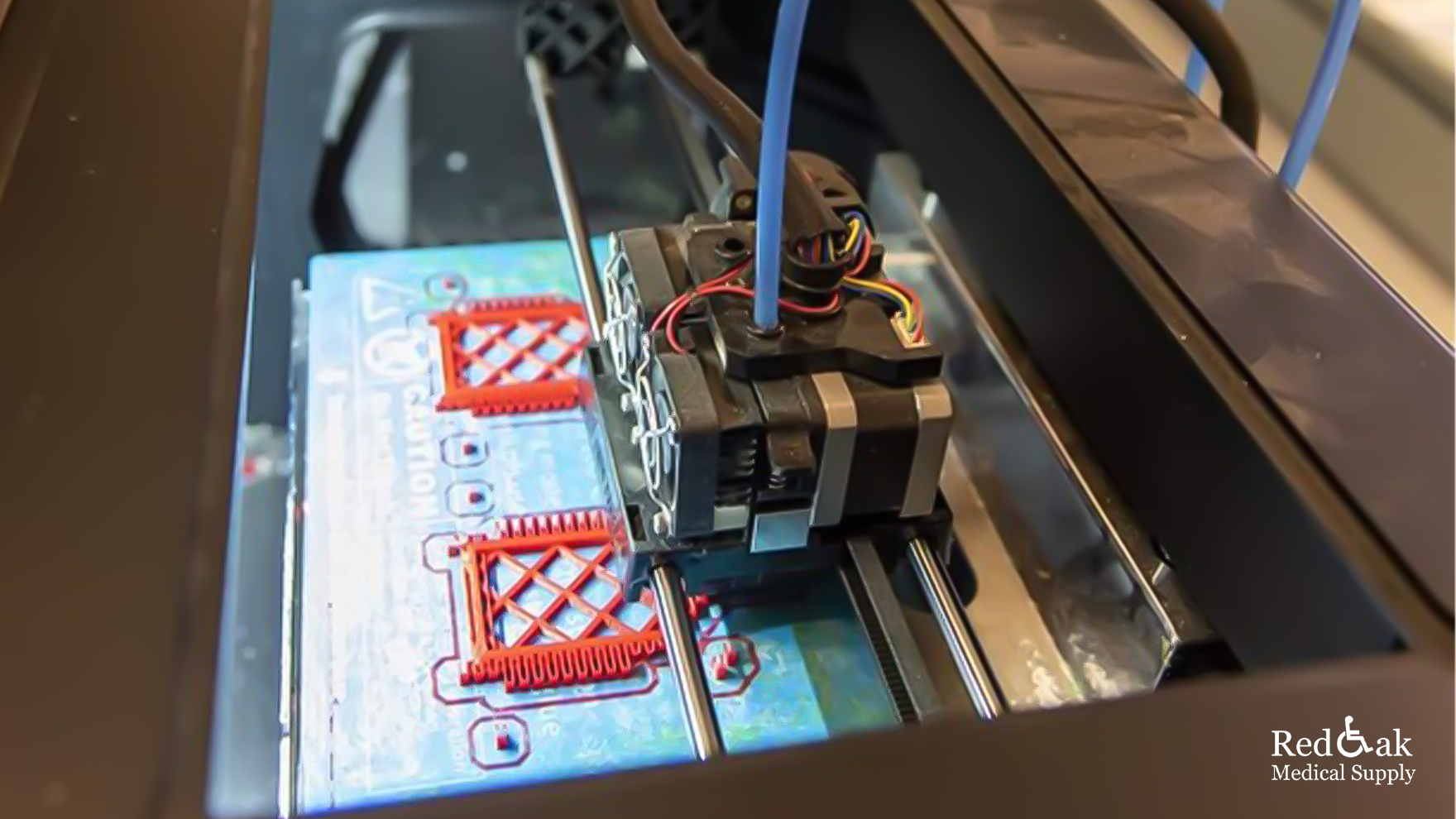
Medical 3D printing is becoming a game-changer in healthcare. It allows for the production of custom medical devices and implants tailored to individual patients. Doctors can now create 3D-printed prosthetics, dental implants, and even surgical tools quickly and affordably.
One exciting development is bioprinting, where 3D printers create tissue and organ models for research or transplantation. This technology holds enormous potential for improving patient outcomes and reducing treatment costs.
Telemedicine and Remote Monitoring
Telemedicine has grown significantly, and it’s here to stay. Patients can consult with doctors from their homes, saving time and effort. Combined with remote monitoring devices, telemedicine provides a more comprehensive healthcare experience.
For example, a patient recovering from surgery can use a wearable monitor to send their vitals to their doctor while attending a virtual check-up. This combination of telemedicine and advanced medical devices ensures patients receive quality care without frequent hospital visits.
Personalized Medicine on the Rise
Personalized medicine focuses on treatments to a person’s genetic makeup. By using tools like genomic sequencing and AI-driven analytics, doctors can develop highly targeted therapies.
For example, cancer patients can receive treatments based on the specific genetic mutations of their tumor, increasing the likelihood of success. Medical devices are now being developed to support this approach, from diagnostic tools to advanced treatment delivery systems.
Evolving Regulations for Medical Supplies
Regulatory bodies are adapting to the pace of innovation. New approval pathways are being developed to ensure that advanced medical devices hit the market quickly without compromising safety.
For example, the FDA has introduced streamlined processes for evaluating AI-based medical devices. These changes aim to balance the need for innovation with rigorous safety standards, allowing patients to benefit from new technologies sooner. As innovation in medical devices grows, understanding the importance of medical supplies in healthcare becomes increasingly crucial for both patients and healthcare providers.
Stay Ahead In The Evolving World of Healthcare Technology
Discover the latest advancements in medical supplies and healthcare technology. Whether you’re looking for innovative solutions or reliable products, we’re here to help you make informed decisions. Visit Red Oak Medical Supply today to explore our range of advanced medical supplies and stay ahead in the future of healthcare!
FAQs
How does AI improve medical devices?
AI helps medical devices process data faster and more accurately, which improves diagnostics, treatment plans, and patient monitoring.
What is IoMT in healthcare?
IoMT stands for the Internet of Medical Things. It connects medical devices to healthcare systems, allowing for real-time data sharing and remote monitoring.
Can 3D printing be used for medical implants?
Yes, 3D printing can create custom medical implants, such as prosthetics and dental devices, tailored to fit individual patients.